PLANT GUIDE
What is this weed?
Upload a weed photo to get a likely name, removal considerations and similar plants to compare.
Avoid uploading people or private documents.
Identify the weed before choosing how to remove it
A useful identification answers two questions: what plant might this be, and what should you check before removing it? Start with the candidate names above, then compare leaf arrangement, flowers, seed heads and the plant's growth habit.
Match the approach to where it is growing
In a lawn: identify the species and check whether digging, hand-pulling or mowing is suitable before seed set. In a flower bed: protect nearby roots and desirable plants while removing the unwanted plant. In paving joints: remove growth without spreading seeds or root fragments into other areas.
Weed or native wildflower?
Some native flowers are treated as weeds in one setting and valued in another. If a plant is unfamiliar, flowering, or potentially invasive, check a local extension service or conservation authority before disturbing it.
Common weeds to compare
These examples show features worth checking; they are not diagnoses of an uploaded photo. Local species and lookalikes vary, so compare several plant parts before acting.
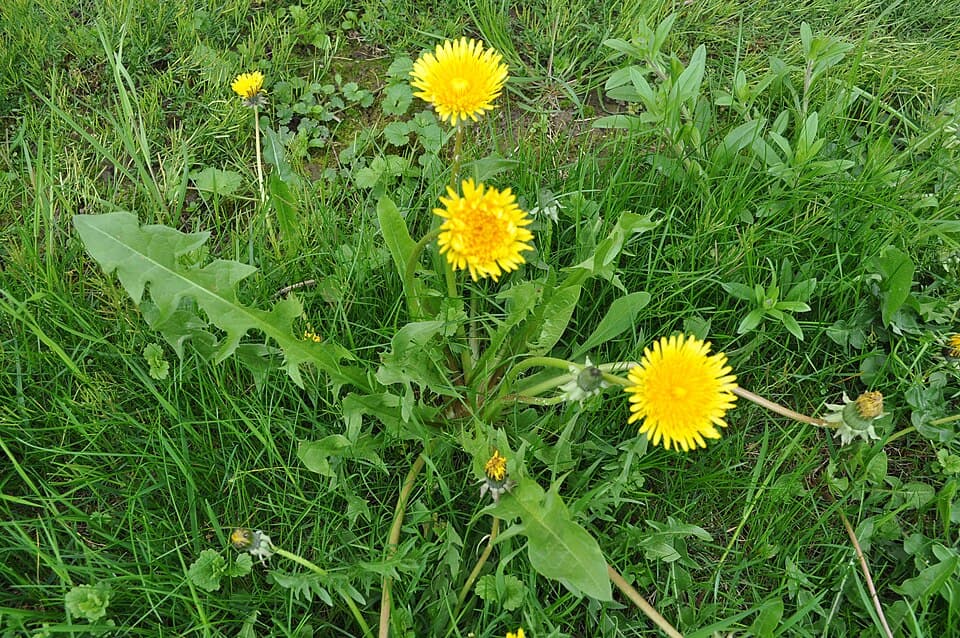
Toothed leaves form a low rosette; flower stalks are usually leafless.
Photo: NY State IPM Program at Cornell University · CC BY 2.0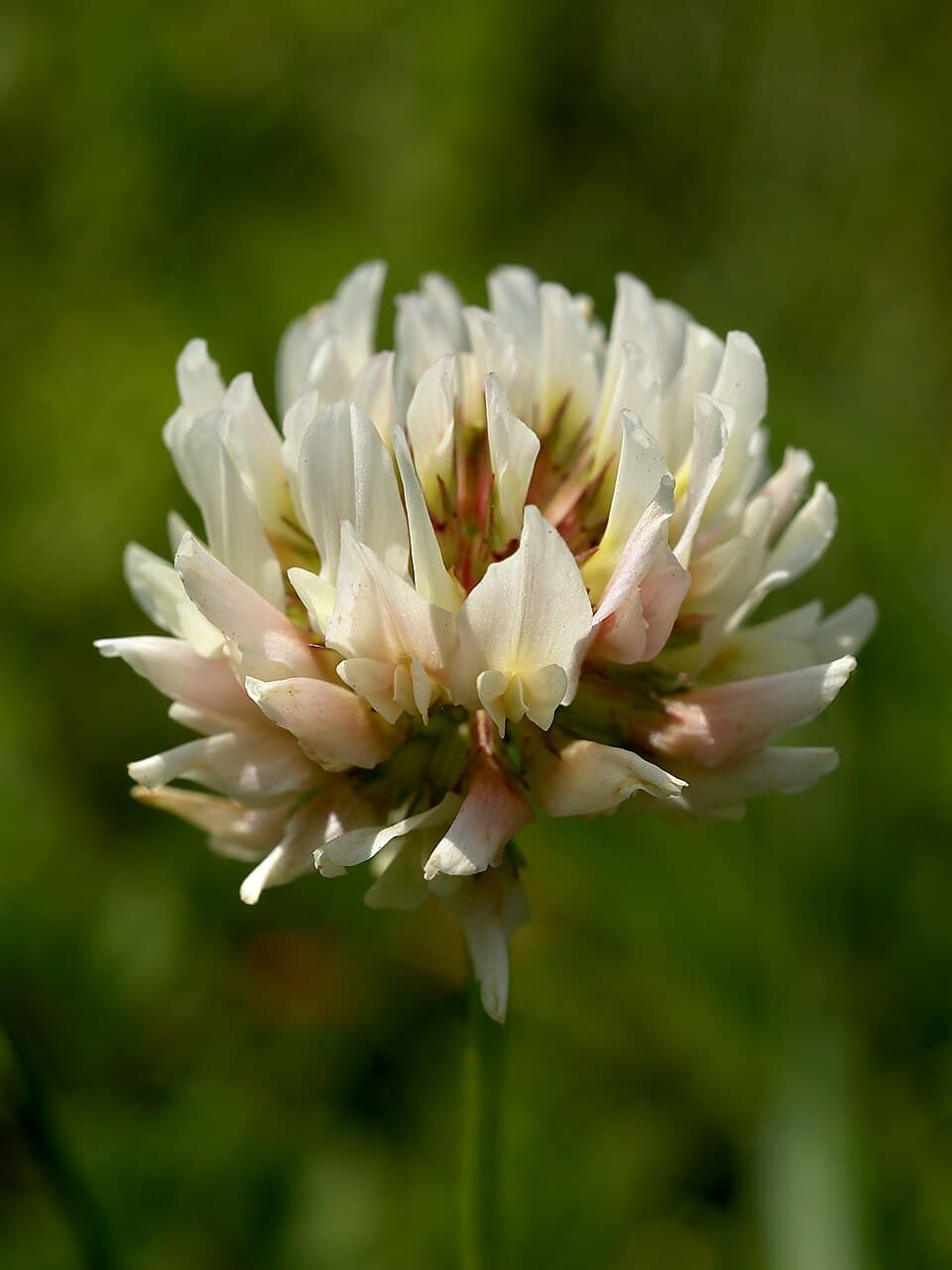
Three-part leaves often have pale markings; rounded white flower heads sit above creeping stems.
Photo: Hans Hillewaert · CC BY-SA 3.0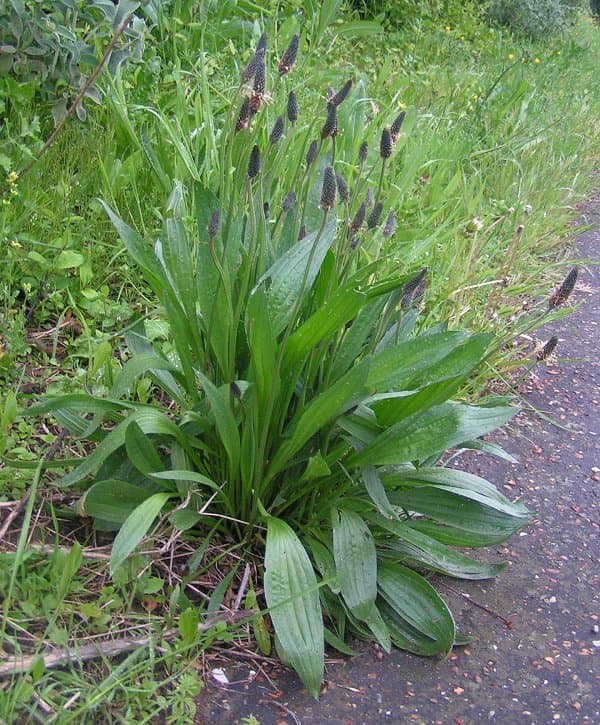
Narrow leaves have strong lengthwise ribs and grow in a basal rosette.
Photo: sannse · CC BY-SA 3.0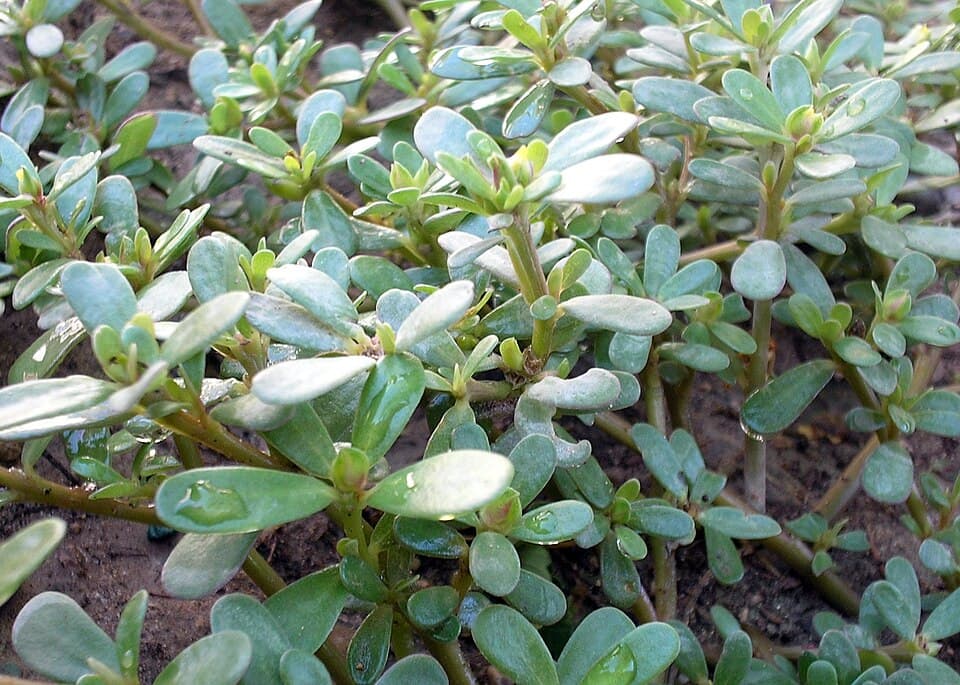
Look for smooth, fleshy leaves and reddish stems close to the ground.
Photo: ZooFari · CC BY-SA 3.0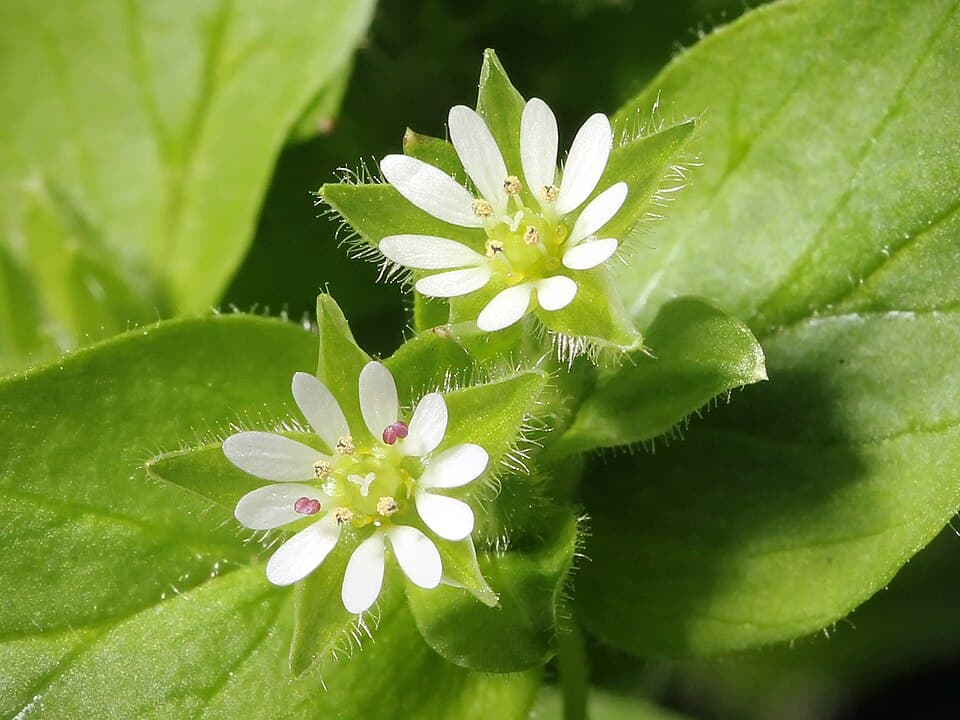
Small opposite leaves and delicate flowers with deeply divided petals are useful clues.
Photo: Kaldari · CC0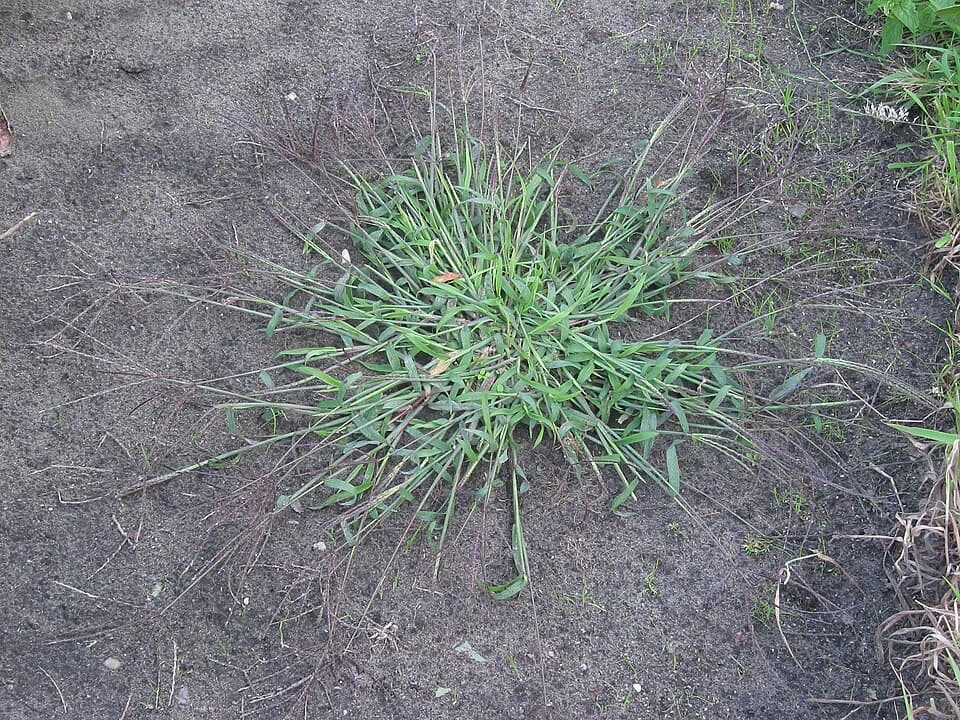
A warm-season grass that spreads outward; mature seed heads have several finger-like branches.
Photo: Rasbak · CC BY-SA 3.0Upload a clear photo of the leaves, flowers or seed head to get a likely weed identification. A photo match is a useful first step, but local conditions, season and plant maturity can change what a plant looks like.
After identifying a weed, choose a removal method that fits the setting. Pulling, digging, mowing or targeted treatment can each be appropriate depending on the plant and whether it is growing in a lawn, flower bed or paving joint.
Before removing an unfamiliar plant, check local invasive-species guidance. Some native wildflowers are mistaken for weeds, and some weeds spread when roots or seed heads are disturbed.
Common questions
How can I identify a weed from a photo?
Upload a clear image showing the plant's leaves, flowers or seed head. Compare likely matches and verify unfamiliar species with local guidance.
What is the safest way to remove an unknown weed?
First confirm the plant and check local invasive-species guidance. Removal depends on the species, location and whether roots or seeds can spread.